
ALEXANDER ADAMS: KINDERSZENEN

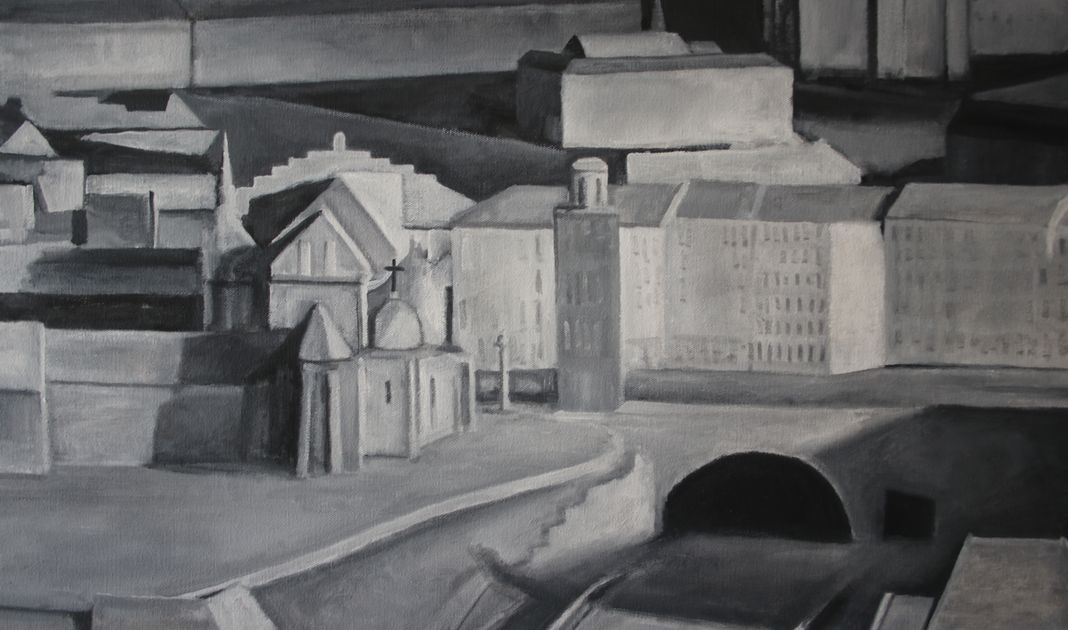
We wrześniu 2024 roku, kiedy przebywałem w Warszawie na otwarciu mojej wystawy „Od ruin do odkupienia” (Muzeum Archidiecezji Warszawskiej), mieszkałem na Mariensztacie. Jest to część odbudowanego Starego Miasta, zaplanowanego przez nowy komunistyczny rząd w okresie powojennym. Kiedy rozmawiałem z polskimi kolegami o historii Starego Miasta, zacząłem dostrzegać ślady różnych warstw historii architektonicznej, społecznej i politycznej. Budowa tunelu Trasy W-Z (Wschód-Zachód) była tylko najbardziej oczywistą częścią wielkich projektów architektonicznych realizowanych w Europie w latach 40. XX wieku. Łączyła zaawansowane ambitne planowanie miasta, kompromis polityczny i skróty konstrukcyjne.
(…)
Na fotografiach modelu architektonicznego tunelu Trasy W-Z, zobaczyłem idealne miasto, obraz widmo, oczyszczony. Prześladował mnie jego surowy dramat, jak metafizyczny obraz Giorgio de Chirico w fizycznej formie. „Polski żołnierz” i „Chłopiec”, „Warszawa 1944”, bezpośrednio odnoszą się do wojny, ale inne obrazy ludzi przedstawiają zmagania wojenne jako etap w życiu zwykłego człowieka. „Brzozowa panorama” to obraz, który jest upamiętnieniem tych, którzy zginęli w Powstaniu Warszawskim. Każdy pień sybmolizuje tu martwą osobę; podobnie „Krzyż brzozowy” symbolizuje cierpienie całego narodu polskiego. W tych Kinderszenen odwiedzający mogą znaleźć obrazy, które odblokowują zaniedbane wspomnienia ich historii, dzięki czemu stają się jeszcze bardziej żywe dla otaczającego ich świata.
—-
In September 2024, when I stayed in Warsaw for the opening of my exhibition “From Ruins to Redemption” (Museum of the Archdiocese of Warsaw), my apartment was in Mariensztat. It was part of the reconstructed Old Town, planned by the new Communist government in the post-war period. As I discussed with Polish colleagues the history of the Old Town, I started to discern evidence of different layers of architectural, social and political history. The construction of the East-West Tunnel was only the most obvious part of the grand architectural projects enacted across Europe in the 1940s. It combined advanced ambitious city planning, political compromise and construction shortcuts.
In photographs of the East-West Tunnel architectural model I saw an ideal city, a ghost image, purified. I was haunted by its stark drama, like a Metaphysical painting of Giorgio de Chirico given physical form. Polish Soldier and Boy, Warsaw 1944 relate directly the war but other images of people place the struggle of war as also a stage in an ordinary person’s life. Birch Panorama is an invented image which acts as a memorial to those who died in the Warsaw Uprising. Each trunk is a dead person; similarly Birch Cross stands for the suffering of the whole Polish nation. In these Kinderlieder visitors may find images that unlock neglected memories of their history which make them evermore alive to the world around them.
Alexander Adams
Alexander Adams jest artystą, krytykiem i poetą mieszkającym w Wielkiej Brytanii. Studiował w College of Art w Wrexham w Walii (1991-2) oraz w Goldsmith College w Londynie (1992-95). Wystawiał na wielu wystawach indywidualnych i zbiorowych m.in. Wielkiej Brytanii, Niemczech, Bułgarii, Litwie, Belgii, Francji i USA. Jego prace znajdują się w wielu kolekcjach muzealnych: w Victoria & Albert Museum, National Museum of Wales, Northampton Museum, Walker Art Gallery i wielu innych instytucji na całym świecie. Publikował również krytykę sztuki w książkach i prasie, a także wiele tomików poezji.
Alexander Adams is an artist, critic and poet, based in the UK. He has exhibited extensively, with his art in the collections of the Victoria & Albert Museum, the National Museum of Wales, Northampton Museum, the Walker Art Gallery and numerous other museums worldwide. He has also published art criticism in books and the press, as well as many books of poetry.
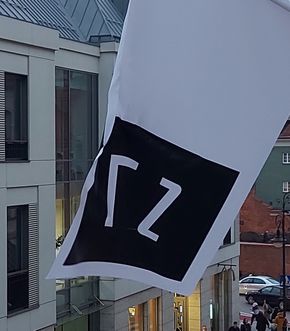 Piotr Bernatowicz / S7
Trwa ładowanie...